


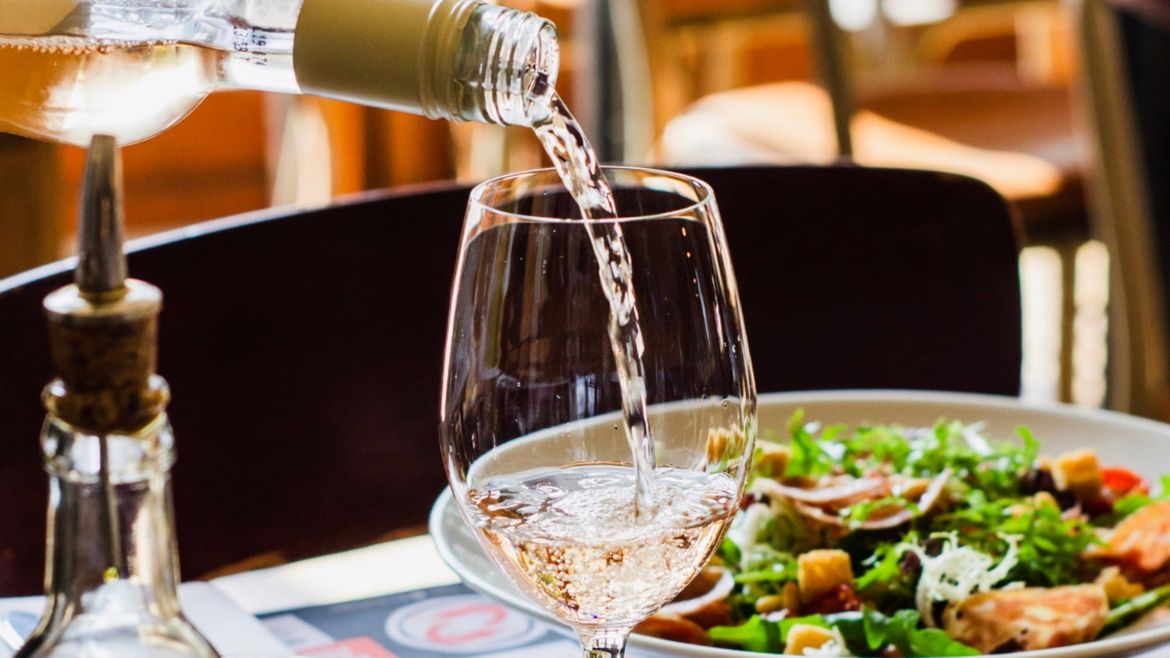
Junker, Heuriger and More
An introduction to the world of young wines
"Jungweine" have been very popular with younger wine connoisseurs since the mid-1980s. In Austria in particular, but also in Germany, young people are choosing types of wine that have only been aged for one or two years. Whether Junker, Heuriger, Novello or Joven: This guide offers you a little insight into the variety of fresh young wines.
When are wines "Jungweine"?
Young wines (also called "Stillweine") are wines in which alcoholic fermentation has ended, but which still contain residual sugar. They have not yet been clarified, that is, separated from the yeast. For this reason, they have a characteristic cloudy colour. The young wine is in the process of developing between "Federweißer" or "Neuen Wein" and mature wine. In contrast to wines that have matured for a longer period, younger wines have a less intense taste, as many aromas are only created during maturation. Furthermore, the alcohol content of young wines is lower than that of mature wines.
Younger wine connoisseurs in particular appreciate the light, tangy aroma of a young wine. Often their taste is reminiscent of sour cherries, red berries or tart herbs. In Austria, young wine is known under the name Junker or Heuriger (especially in Styria). In Spain, the drink is called Vino Joven, while in France it is known as Nouveau or Primeur and in Italy as Novello.
Typical grape varieties for young wines
Young wine can be made from white or red grapes. White young wine is made from Müller-Thurgau, Sauvignon Blanc, Grüner Veltliner, Neuberger and Bouvier varieties, among others. Pinot Noir, St. Laurent, Zweigelt and Blauer Portugieser grapes are used for young red wine.
The best season for young wines
Austrian Junker and Heuriger are available from October or November. The Steirischer Wein community sells these young wines under the name "Steirischer Junker" or "Junge Österreicher". There are also other regional umbrella brands. The French Beaujolais Primeur with its fruity note is sold from mid-November. Ideally, buy your young wine between October and New Year's Eve, as it tastes best fresh. However, bottlenecks can occur in years with poor grape harvests. During these years, winemakers prefer to market wines that have matured more slowly, as this nets them higher prices. According to the EU Wine Market Regulation, young wines can be marketed as such until March 31 of the following year. When fresh, however, they have their distinctive light aroma. After opening the bottle, make sure to drink the Junker as quickly as possible.
Latest reviews
-
Andreola 26° I° Rive di Col San Martino Valdobbiadene Prosecco Superiore DOCG Extra Brut 2025, 0,75 l
- From historic, steep, calcareous vineyards
- Harvested and selected by hand
- Bottled without sugar dosage
-
-
Muster.Gamlitz Selection Gamlitz Sauvignon Blanc DAC 2024 Limited Edition, 0,75 l
- Dry, mineral, vibrant
- Matured in large wooden barrels
- Very stimulating, complex
-
-
Shilda Winery Kirke - Goddess Blend 2022, 0,75 l
- Dry, flavoursome, full-bodied
- From traditional white wine varieties
- Hand-picked at night
-
-
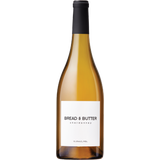
Bread & Butter Wines California Chardonnay 2023, 0,75 l
- 100% Chardonnay from California
- Matured in American & French oak
- Pineapple, mango, vanilla & toast aromas
-


Magazine Articles:
Discover 9wines CH:
-
Switzerland: Free standard delivery from CHF 80.00
-
We operate in a
climate-conscious manner. Secure payments
with SSL encryption technology