


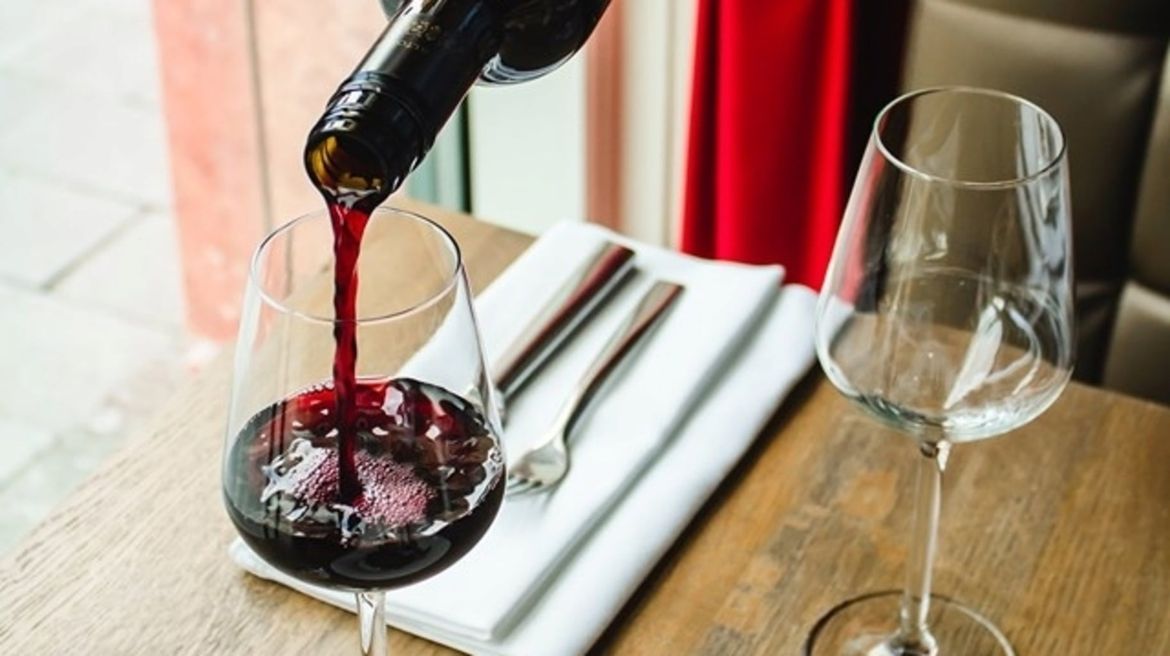
Vegan Wine - The 9 Facts A Wine Lover Should Know
Vegan wine is fashionable with many wine lovers
With vegan lifestyles becoming increasingly popular, many conventional winegrowers have removed animal additives from their production. But don't worry: Vegan wine differs from conventional wine in the filtration and clarification, not in the grapes or vineyards used.
Vegan wine vs conventionally produced wine
It's well known that wine is made from grapes, so many people are initially surprised at terms such as vegan wine and conventional wine. With regard to grape varietals and their cultivation in vineyards, there are no differences between vegan and conventional wine. However, the differences appear in the wine cellar when it comes to clarification and filtration. Behind this process is the consumer's desire for a clear wine with no cloudiness and a harmonious taste. That's why winemakers use animal auxiliary products for conventional wine to bind substances in the wine so they settle on the bottom of the barrel. To produce a vegan wine instead, alternatives include plant proteins, natural mineral clay or activated carbon. All of these make the wine clear and tasty, but vegan wine develops most naturally when it can mature longer and clarify itself.
How vegan wine avoids animal products
Conventional wine is clarified and filtered with animal products. These include casein, a protein made from fresh milk that deposits excess matter on the bottom of the barrel. Then the clear wine is skimmed off and the protein discarded. Albumin, obtained from egg yolk, makes wine milder by reducing the tannin content. Gelatine, which is usually obtained from pig bones, and isinglass, from dried fish bladders, have a similar effect to casein whilst the enzyme lysozyme prevents spontaneous, faulty acid degradation in wine.
Vegan wine is clarified and filtered to the same effect with the help of various non-animal substances. Vegetable proteins obtained from peas, beans or potato starch make the wine clearer. Bentonite, an absorbent clay, has the same effect. Activated carbon prevents odour irritations, odd tastes and discolouration. Plus, unwanted sediments are removed from the wine in a particularly gentle and quality-enhancing way when vegan wine is left to stand until the particles have settled by themselves.
Vegan wine - properties and labelling
Vegan wine is now being produced by many top winemakers. Quality is paramount, regardless of whether the wines are red, white or rosé. The maturation often takes a little longer, but this is no longer viewed as negative. And without animal substances smoothing them out, the wines show more individuality and rough edges. Accordingly, vegan wine is in increased demand, encouraging more winemakers to explore its possibilities. Numerous bottles are performing well at major wine presentations worldwide.
There is still no uniform European symbol for vegan wine. Instead, some winegrowers use the seal of the German Vegetarian Association or the European Vegetarian Union, for example.
The most important characteristics of vegan wine:
- consistently good quality
- can be made with every grape varietal
- great flavour
- no animal additives
- alternative natural excipients
- ideal for allergy sufferers
- no more expensive than conventional wine
Unlike conventional wine, vegan wine does not contain any animal products. These have been largely replaced by vegetable proteins and other non-animal substances without any degradation in taste or appearance. Vegan wine is also no more expensive than conventional wine, so people who are allergic to animal additives no longer have to forsake a glass of wine in the evening.
Photo credits: Louis Hansel (Unsplash)
Latest reviews
-
Andreola 26° I° Rive di Col San Martino Valdobbiadene Prosecco Superiore DOCG Extra Brut 2025, 0,75 l
- From historic, steep, calcareous vineyards
- Harvested and selected by hand
- Bottled without sugar dosage
-
-
Muster.Gamlitz Selection Gamlitz Sauvignon Blanc DAC 2024 Limited Edition, 0,75 l
- Dry, mineral, vibrant
- Matured in large wooden barrels
- Very stimulating, complex
-
-
Shilda Winery Kirke - Goddess Blend 2022, 0,75 l
- Dry, flavoursome, full-bodied
- From traditional white wine varieties
- Hand-picked at night
-
-
Bread & Butter Wines California Chardonnay 2023, 0,75 l
- 100% Chardonnay from California
- Matured in American & French oak
- Pineapple, mango, vanilla & toast aromas
-





Magazine Articles:
Discover 9wines CH:
-
Switzerland: Free standard delivery from CHF 80.00
-
We operate in a
climate-conscious manner. Secure payments
with SSL encryption technology