


Cork Taint: How To Tell If A Wine Is Corked
Learn how to recognise wine flaws
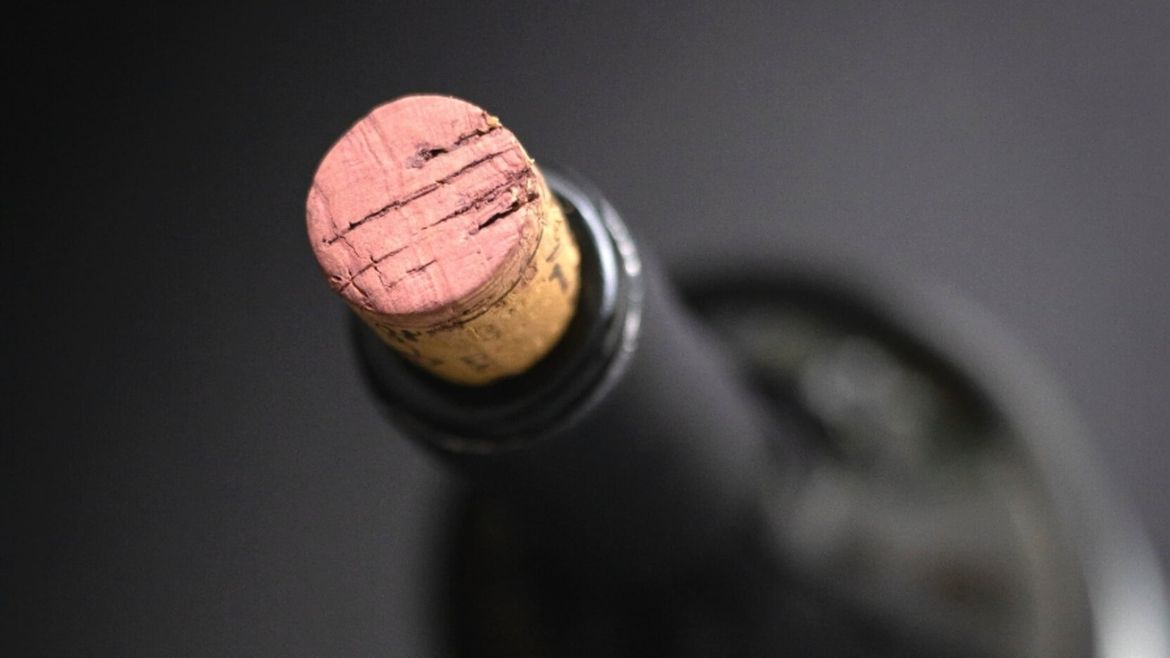
Corked wine is famously bad. Even a metal screw cap can't prevent cork taint and, although the problem isn't visible in the wine, the layperson will recognise it immediately due to the changed smell. Incidentally, it can attack both red and white wine.
A bitter disappointment
Work is done for the day and you're looking forward to a wonderful glass of wine. However, as you open the bottle, an unpleasant musty smell appears and the wine tastes bitter, musty and strangely pungent. This is a clear sign that the wine is corked. The evening is ruined!


How does wine come to be corked?
Cork taint is caused by 2,4,6-trichloroanisole (TCA). This is usually triggered by a cork closure, but can also occur in bottles with a screw cap. Here, instead of TCA, TBA (tribromoanisole) has formed, entering the screw cap and wine through treated wood or wine cartons. However, this is the exception; screw caps generally protect against cork errors (since they're not cork).
Exactly how TCA forms in cork has not yet been fully researched, but bleaching during cork processing is probably the most common cause. The substance can also come from the treatment of the raw material, the cork oak, with chlorine-containing antifungal agents.
Substances containing chlorine (like cleaning agents) reacting with the phenol in natural cork can also cause cork taint. Mould can be a product of this chemical reaction. It is assumed that the metabolic products of these microorganisms get into the cork in the form of TCA and lead to a musty smell. Storage boxes and pallets containing TCA can also be responsible for the development of cork taint.
Slightly corked wine
In addition to classic cork taint, wine can be only slightly defective. Some people may identify slightly musty, blunt notes that aren't easy to recognise at first glance. They only become clear when compared with a faultless bottle from the same vintage.
- A trick to better recognise a cork defect: If you are not quite sure whether a bottle is defective, pour some mineral water into the wine. The carbonic acid causes a significant intensification of the unpleasant odours and facilitates the perception of any faults in the wine.
Is corked wine harmful to health?
Trichloroanisole is a derivative of phenol, which in itself is harmful to health. Nevertheless, the amounts contained in wine are so small that they are not considered harmful. However, since corked wine is no fun to drink, throw it away and open a new bottle.
Experts estimate that around five to eight percent of all corks are faulty. The chance that bottle number two (if it's not the same wine ;-) ) will also be corked is pretty slim.
Latest reviews
-

Weingut Hagn 4+2 Free Grüner Veltliner Goldblatt 2025, 6 x 0.75 l
- 4+2 FREE Bottles Set
- Dry, fruity and spicy white wine
- From loess-based vineyards in the Weinviertel
-
-
Markus Huber Moments Rosé 2025 Bio, 0,75 l
- New, dry rosé wine
- Made from Pinot Noir and Zweigelt
- Light, fruity, delicately mineral
-
-
Shilda Winery Rustaveli - Saperavi Qvevri 2022, 0,75 l
- Traditional Georgian red wine
- Saperavi grape variety from the amphora
- Clean, dark, powerful, unique
-
-

Weingut Langmann Blanc de Blanc Reserve Extra Brut g.U., 0,75 l
- 100% Chardonnay from steep slopes
- Base wine matured in 500-litre oak barrels
- Long bottle ageing
-







Magazine Articles:
-
Switzerland: Free standard delivery from CHF 80.00
-
We operate in a
climate-conscious manner. Secure payments
with SSL encryption technology