


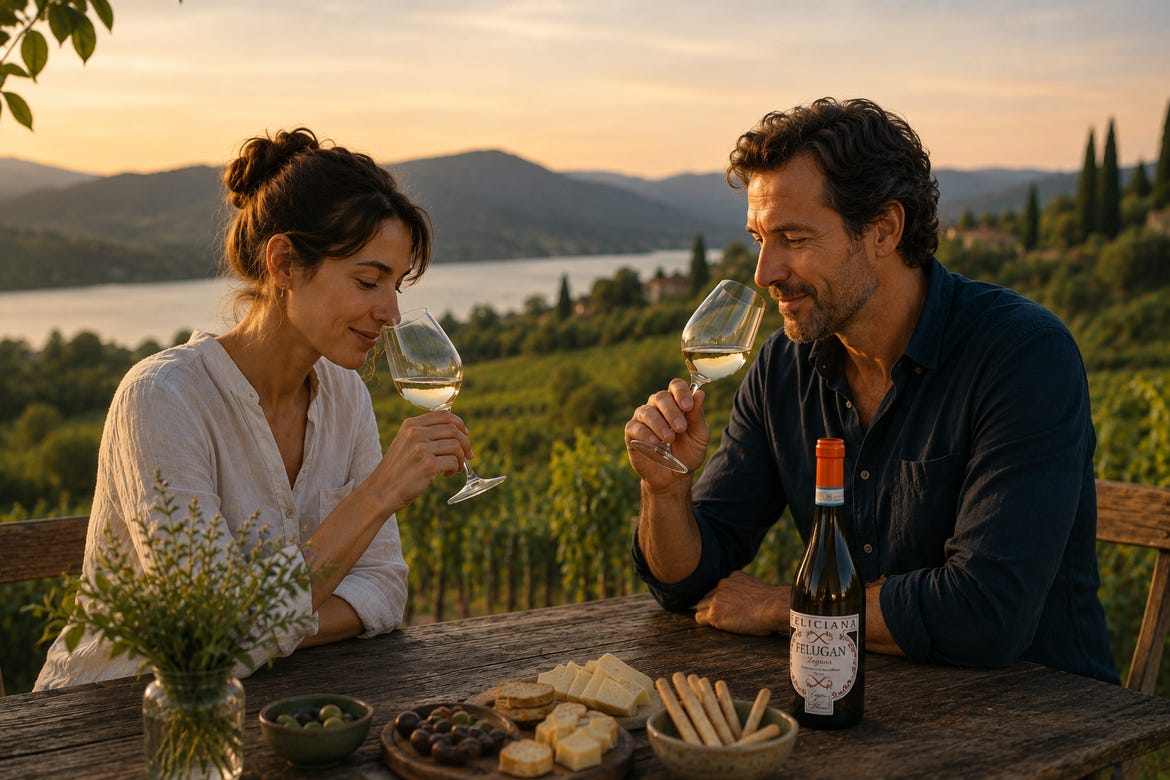
How to Enjoy Wine: Tips for Beginners and Wine Lovers
Discover how to enjoy wine with confidence – from choosing the right glass and serving temperature to food pairing and wine ratings.
If you've ever wondered how to enjoy wine the right way, you're certainly not alone. Should red wine really be served at room temperature? Which wine glass is best? Does every wine need to breathe? And what should you actually pay attention to during a wine tasting?
The good news is that wine doesn't have to be complicated. With just a few simple tips, you'll enjoy every bottle even more—whether you're discovering wine for the first time or you've been collecting favourite bottles for years.
There Is No Such Thing as the "Right" Taste
The most important piece of advice is also the simplest: drink the wine you enjoy.
There are plenty of recommendations about grape varieties, serving temperatures and food pairings. But at the end of the day, your own palate is what matters most. If you enjoy a fresh rosé during winter just as much as on a sunny summer afternoon, then that's exactly the right choice for you.
Wine should always be about enjoyment—not about passing an exam. Especially during the warmer months, many wine lovers reach for crisp white wines and refreshing rosés. Discover our Summer Wines.
Which Wine Glass Is the Right One?
Do you really need a different glass for every grape variety? Honestly, no.
A high-quality universal wine glass is already an excellent choice for most wines. It provides enough room for aromas to develop and often makes a much bigger difference than many people expect.
As your interest in wine grows, you'll notice that a large Burgundy glass beautifully enhances elegant Pinot Noir or rich Chardonnay, while slimmer glasses highlight the freshness of crisp white wines.
Machine-Made or Mouth-Blown Glasses – Does It Really Matter?
It's a question almost every wine enthusiast asks at some point. The good news is that today's premium machine-made glasses already offer an excellent tasting experience and are perfect for everyday use.
Mouth-blown wine glasses, however, take the experience one step further. Their lighter weight, exceptionally thin rim and elegant shape create a more refined drinking experience. The wine reaches the palate more naturally, while aromas often appear even more expressive.
Is the difference dramatic? Not necessarily. Is it noticeable? Absolutely—especially when tasting the very same wine from two different glasses.
Our advice: invest in a few excellent wine glasses rather than filling your cupboard with lots of inexpensive ones. Quality glasses will accompany you for many years and make every bottle even more enjoyable.
Explore our selection of premium wine glasses and accessories.
If you'd like to learn more about why glass shape matters, we recommend our article The Right Wine Glass – Which Glass for Which Wine?.
What Is the Ideal Serving Temperature?
One of the most common mistakes is serving wine either too warm or too cold.
- Light white wines: 6–8 °C
- Full-bodied white wines: 10–12 °C
- Rosé: 8–10 °C
- Light red wines: 12–16 °C
- Full-bodied red wines: 14–16 °C
Many red wines are served too warm. It's often better to pour them slightly cooler, as they'll naturally warm up in the glass within a few minutes and reveal their aromas much more harmoniously.
Should You Smell the Wine?
Before taking your first sip, spend a moment smelling the wine.
You don't need to identify exotic aromas or use technical tasting vocabulary. Simply noticing apple, cherry, citrus fruit, herbs or floral notes is already enough. The more often you consciously smell wine, the easier it becomes to recognise different styles and characteristics.
If you come across an unfamiliar wine term, you'll find easy-to-understand explanations of grape varieties, wine regions and wine terminology in our 9Weine Wine Dictionary.
```html id="4tq9fw"
Which Wine Goes Best with Which Food?
Some food and wine combinations work exceptionally well. But the same rule still applies: the best pairing is the one you enjoy most.
Here are a few timeless classics:
- Fresh Sauvignon Blanc with salads or seafood
- Grüner Veltliner with Wiener Schnitzel or vegetable dishes
- Lugana with pasta, antipasti and seafood
- Pinot Noir with poultry or mushroom dishes
- Blaufränkisch or Cabernet Sauvignon with grilled meat and steak
If you'd like to explore food pairing in more detail, you'll find plenty of inspiration on our blog. We especially recommend Wine and Cheese – A Perfect Match and Which Wine Goes with Pasta?.
How to Get Started with Wine
The world of wine can seem overwhelming at first. That's why it's worth discovering different styles step by step rather than trying everything at once.
A simple journey might look like this:
- Fresh, fruity white wines
- Refreshing rosés
- Elegant red wines
- Full-bodied reds
- Sparkling wines
- Sweet wines
As you explore, you'll naturally discover which styles suit your personal taste best.
For beginners, fresh and easy-drinking white wines are often the perfect place to start. Browse our selection of white wines.
Even Experienced Wine Lovers Should Stay Curious
If you've been enjoying wine for years, chances are you already have your favourite grape varieties and wine regions. That's exactly when it's worth stepping outside your comfort zone.
Have you ever tried a Vin Jaune from France's Jura region? Or an Orange Wine, made using extended skin contact? Mature Sherries and premium Ports also open up fascinating new worlds that many experienced wine drinkers have yet to discover.
It's equally rewarding to explore lesser-known wine regions and indigenous grape varieties. They often offer outstanding quality, exciting personalities and excellent value for money.
You don't always have to look for rare wines, though. Even within a familiar style there is plenty to discover. Two Luganas from the same vintage can taste remarkably different depending on the producer, vineyard and winemaking philosophy. Wineries such as Feliciana and Fraccaroli are perfect examples of just how diverse Lugana can be.
One more piece of advice: always give a wine—or even an entire style—a second chance. Just because you didn't enjoy an Orange Wine, a Riesling or a Barolo a few years ago doesn't mean you won't appreciate it today.
Our taste evolves over time. Wines that once seemed too acidic, too powerful or simply unusual can later become personal favourites.
That's one of the reasons wine remains so fascinating throughout life: there's always something new waiting to be discovered.
Should You Trust Wine Ratings?
Wine scores can be a useful guide—but they should never be the only reason for buying a bottle.
In recent years, higher and higher scores have become increasingly common. Ratings of 95, 96 or even 98 points are no longer unusual. As a result, the differences between top-rated wines become less obvious and the overall value of those scores gradually decreases.
Wine descriptions are often much more informative than a number. They tell you whether a wine is fresh or rich, elegant or powerful, fruity, mineral or spicy. These details help you decide whether a wine is likely to match your own preferences.
Every year we taste several thousand wines—directly at wineries, at international wine fairs and, of course, in our own tasting room. One thing has become clear time and time again: the best wine isn't automatically the most expensive one or the one with the highest score. It's the bottle that makes you want to pour yourself another glass.
That's why we never rely solely on ratings when selecting wines for our range. What truly matters is what happens in the glass.
Our advice is simple: use wine scores as a guide, but always read the tasting note as well. It often tells you far more about a wine's personality than a single number ever could.
Should Wine Breathe?
Many wines become even more expressive after a little time in contact with air.
Open the bottle 20 to 30 minutes before serving or simply pour the wine into your glass and watch how the aromas and flavours evolve. Full-bodied white wines and many premium red wines often become more balanced and complex after just a few minutes.
The Most Important Thing to Remember
Wine isn't a competition, and it certainly isn't something reserved for experts. You don't need to know every grape variety or identify wines in a blind tasting to truly enjoy a great bottle.
That's exactly what makes wine so fascinating. Every bottle offers the chance to discover something new. And once you've caught the wine bug, learning more becomes part of the enjoyment. You start exploring new grape varieties, wine regions and winemaking styles, and before you know it, you've discovered a whole collection of new favourites.
Wine appreciation isn't a race to become an expert. It's a journey. Your palate evolves over time, your preferences change, and every bottle teaches you something new.
That's what still fascinates us today. Every year we taste several thousand wines, yet we continue to discover exciting new styles, regions and producers. Whether you're opening your very first Lugana or enjoying a beautifully aged Bordeaux, every bottle has the potential to create a memorable experience.
Stay curious, enjoy the journey and don't be afraid to try something new. More often than not, it's the unexpected discoveries that become your favourites.
You May Also Like
- The Right Wine Glass – Which Glass for Which Wine?
- Wine and Cheese – A Perfect Match
- Which Wine Goes with Pasta?
- The 9Weine Wine Dictionary
- Discover Our White Wines
- Wine Glasses & Accessories
If this guide has inspired you to discover new wines, you'll find everything from easy-drinking everyday favourites to truly exceptional bottles in our carefully selected range. Every wine is personally tasted by our team before becoming part of our collection, so you can enjoy every glass with confidence.
Latest reviews
-
Weingut Kerschbaum Blaufränkisch 2023, 0,75 l
- Dry, fruity, spicy
- Matured in large wooden barrels
- Universal food companion
-
-
Salzl Zweigelt Selection Neusiedlersee DAC 2023, 0,75 l
- Fruity, charming red wine
- Matured in steel tanks and used wood
- Harmonious, easy to drink, accessible
-
Aaldering Wines Pinotage Reserve 2022, 0,75 l
- The flagship grape variety of South Africa
- Strong aromas of dark fruit, cherry and fine roasted flavours
- Long ageing in barriques lends strength and structure
-
-
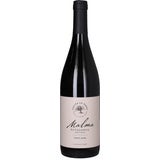
Bodega Malma Chacra La Papay Pinot Noir 2024, 0,75 l
- 100% Pinot Noir from Patagonia
- Silky, soft, elegant and drinkable
- Matured in used wooden barrels
-



Magazine Articles:
Discover 9wines CH:
-
Switzerland: Free standard delivery from CHF 80.00
-
We operate in a
climate-conscious manner. Secure payments
with SSL encryption technology